A Meditative Movement-Based Workshop led by Khaleb Brooks
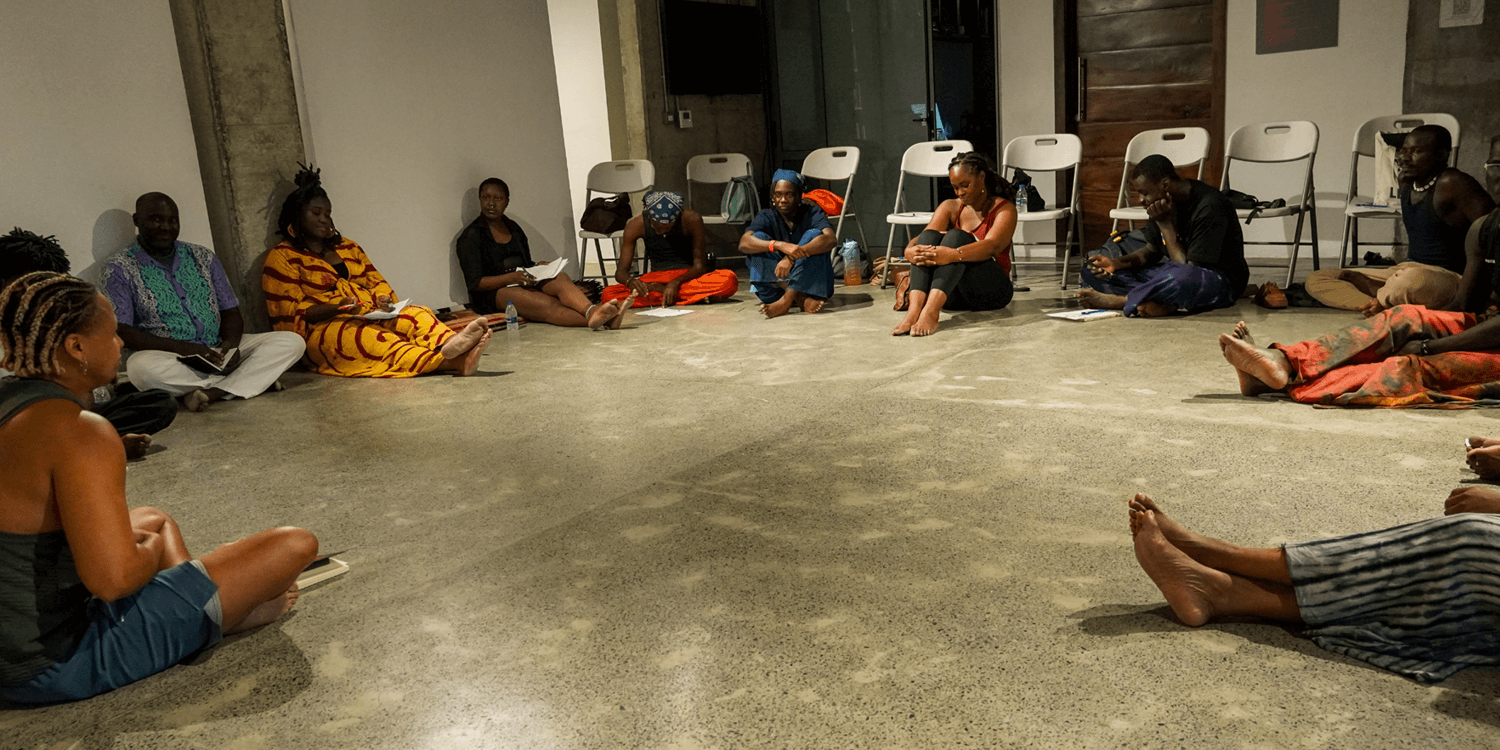
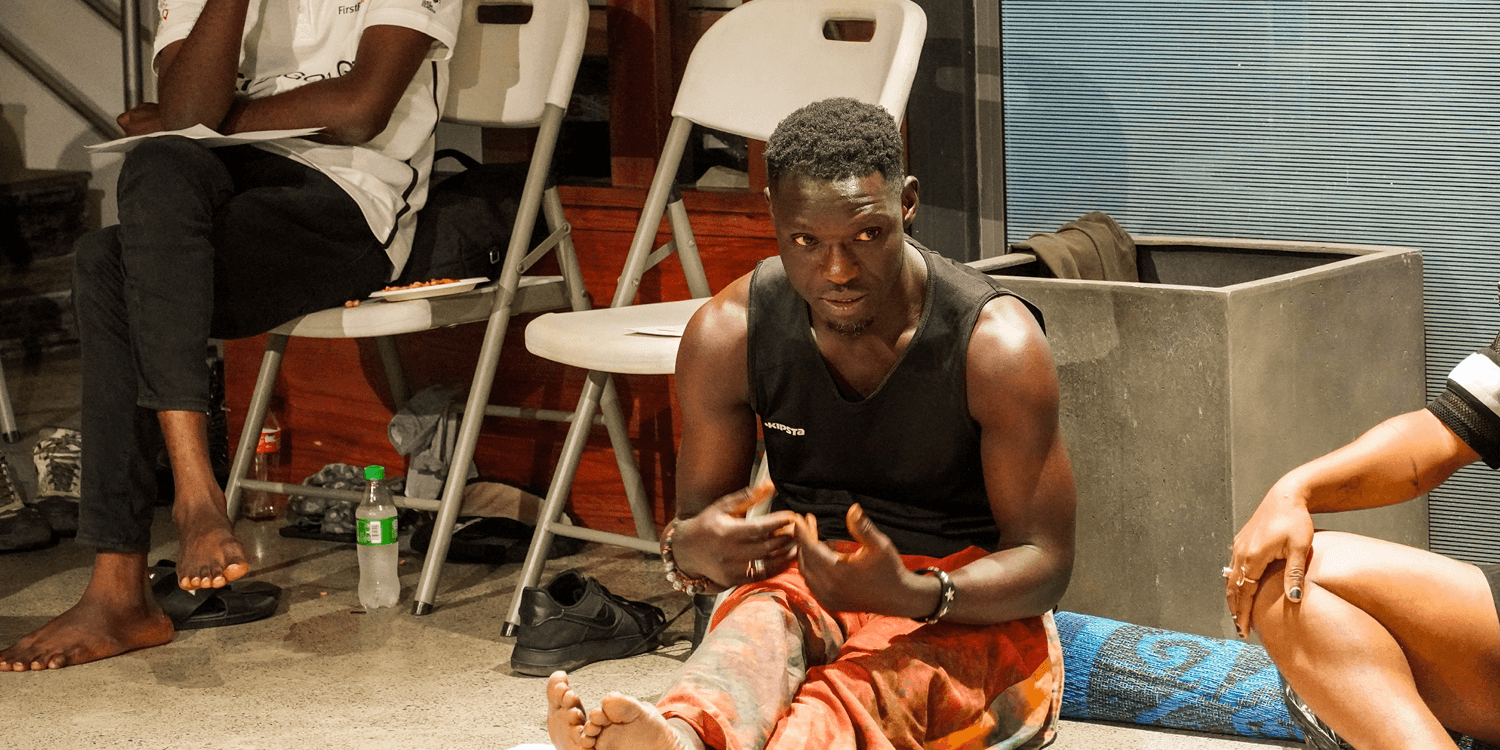
On December 4, 2025, G.A.S. Lagos hosted Body Memory, a meditative, movement-based workshop exploring how the body carries personal and collective memory. Led by Khaleb Brooks, the session invited participants to reflect on how histories are embodied, asking questions such as: Who gets to memorialise, and who is excluded? What do we hide from ourselves, and what unprocessed memories rest quietly in our bodies?
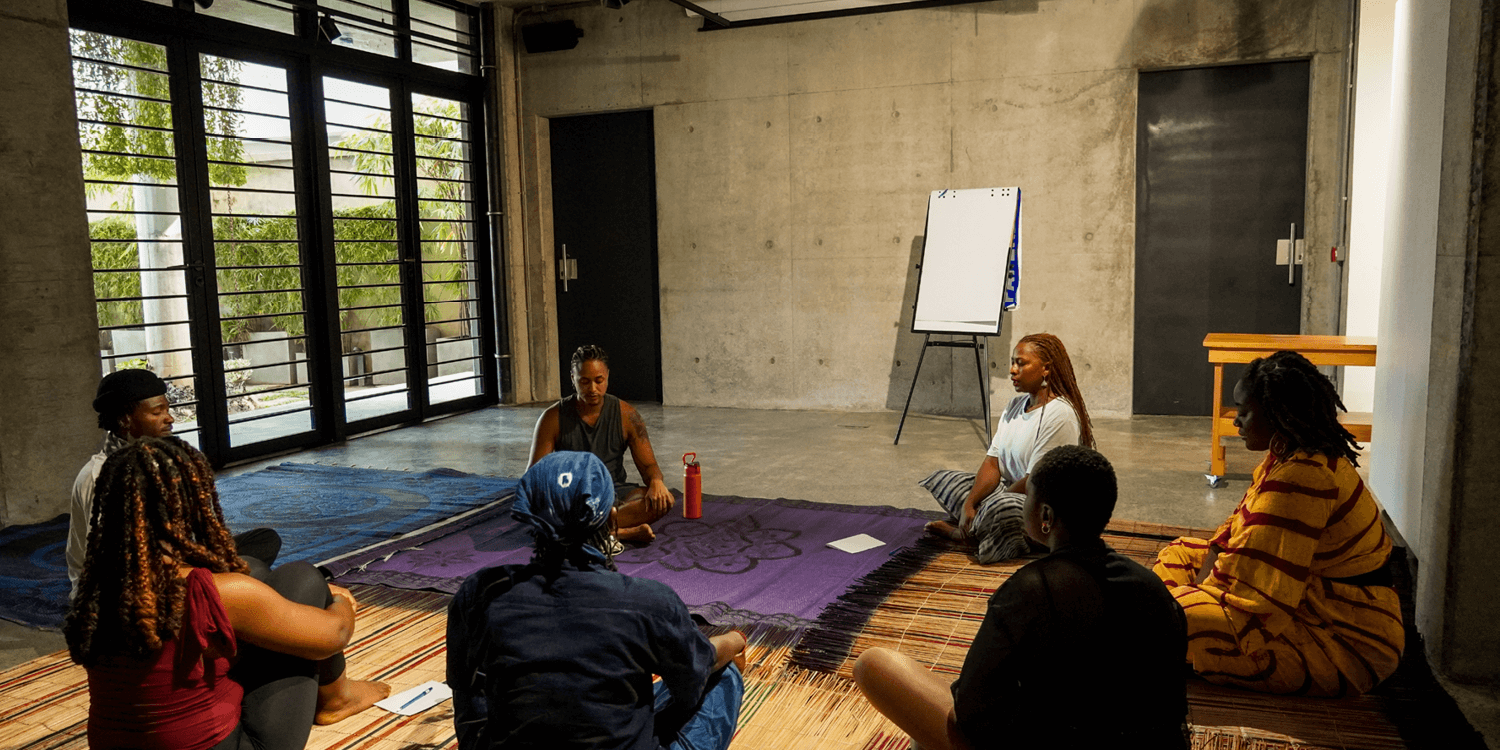
The evening began with an introduction by Khaleb, who set the tone for the session and shared insights into their practice. Drawing on decolonial and archival methodologies, Khaleb investigates the intersections of collective memory, the body, and the afterlives of the Transatlantic Slave Trade. Their work engages history as a living, embodied site, one that continues to shape identities, landscapes, and communities across the African diaspora. Participants introduced themselves afterwards, creating a sense of openness and collective engagement that framed the workshop.
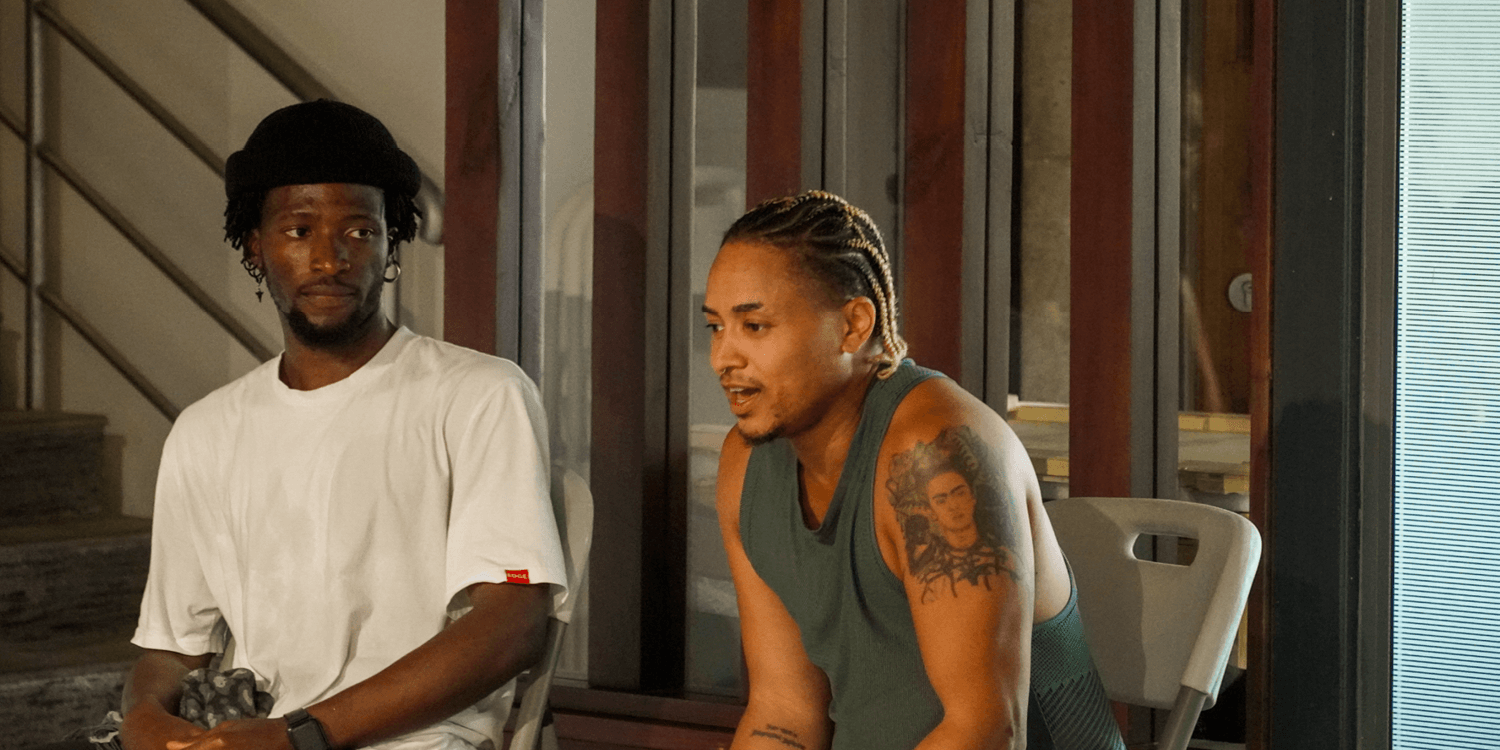
The session unfolded in several steps, combining meditation, drawing, and movement. It began with a guided meditation to centre participants and focus attention on the body as a vessel of memory. Participants then drew body outlines on paper, associating each part with a word, before linking those words to images or objects that reflected their personal histories, emotions, or associations.
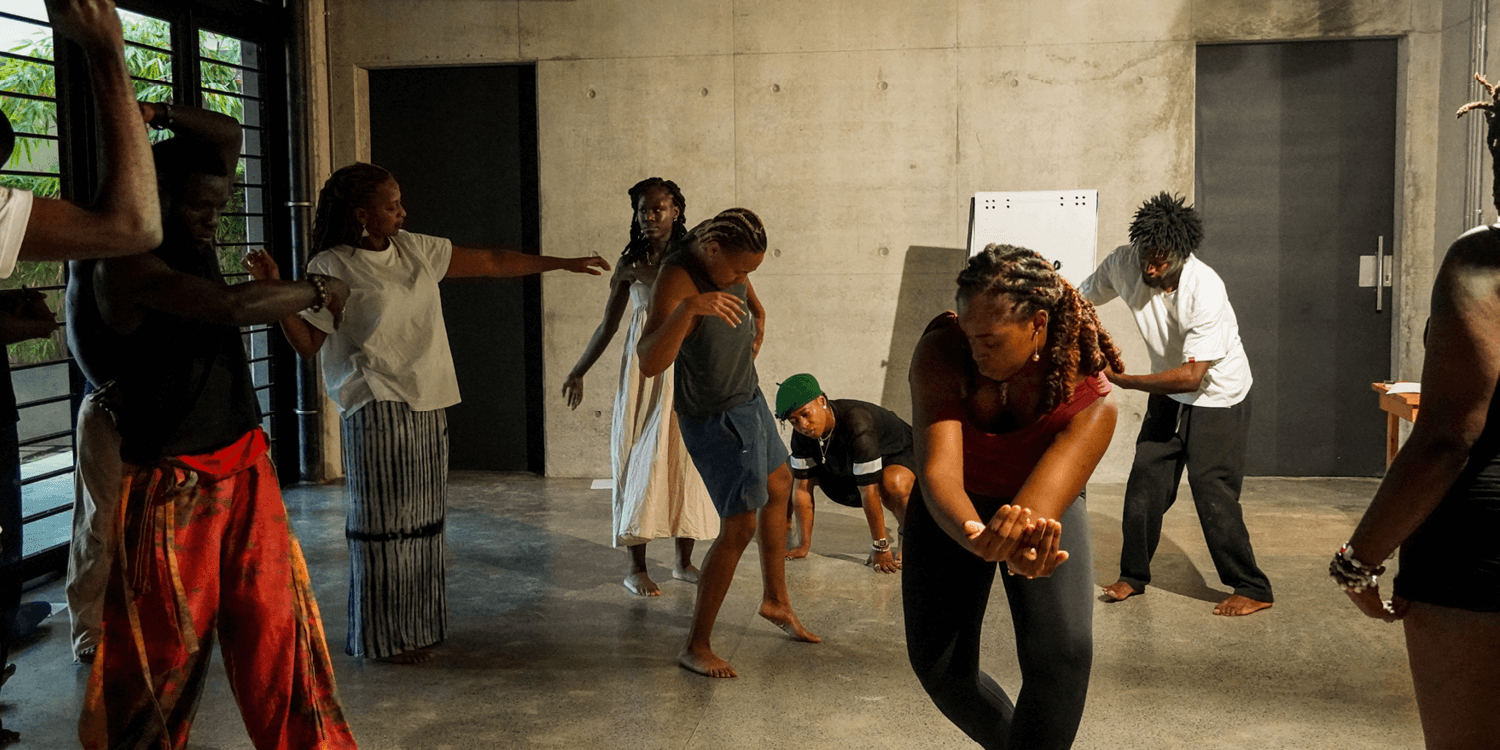
Drawing on Butoh, a Japanese dance-theatre form known for its slow, transformative movements, Khaleb encouraged participants to explore their bodies as sites of memory and transformation. Through guided movement, attendees embodied objects or images linked to each part of their body, exploring questions of scale, weight, and spatial presence. The exercises prompted a deep engagement with grief, joy, and historical consciousness, fostering a connection between personal experience and collective histories.
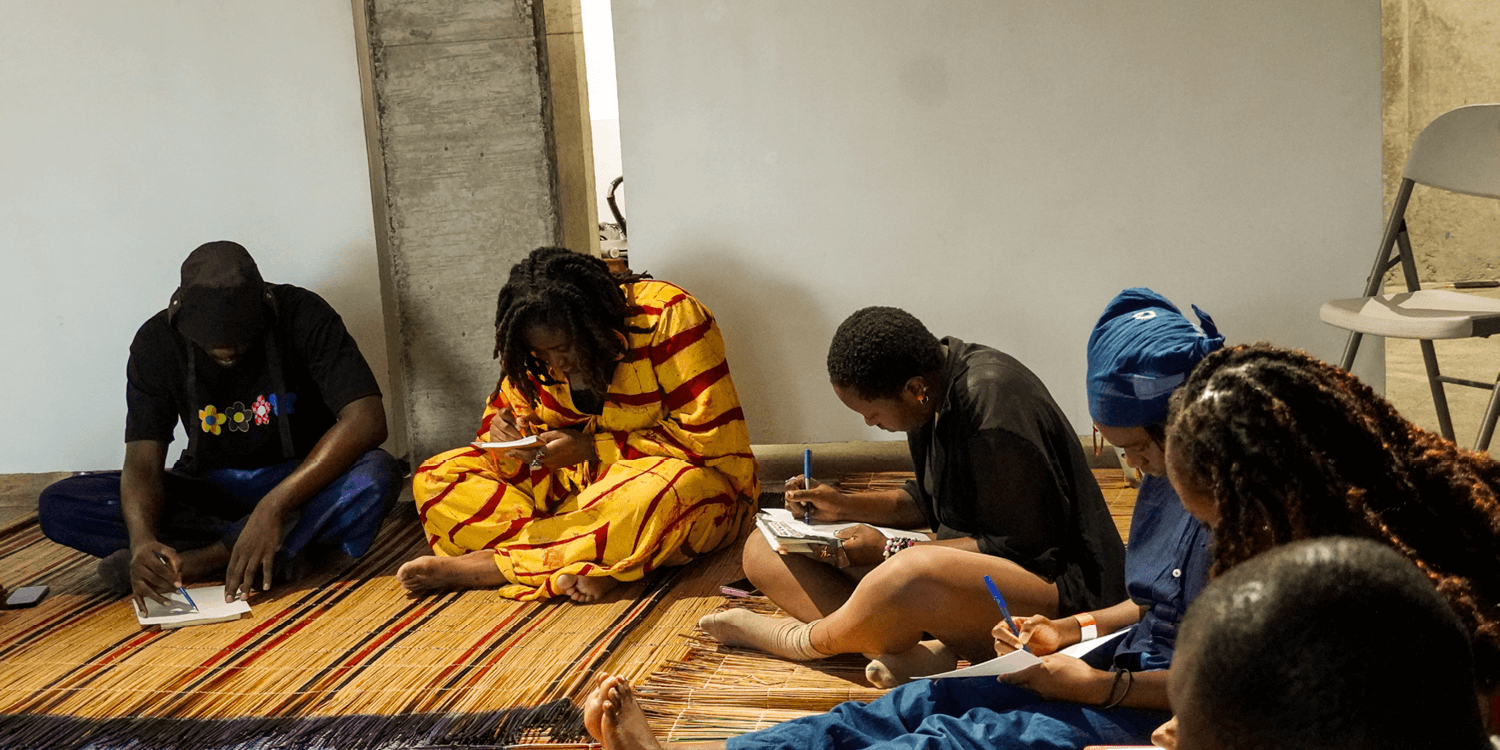
The workshop concluded with reflective journaling, allowing participants to process their experiences, consider their embodied responses, and share insights about movement, memory, and the objects or images that resonated most deeply. Through this holistic approach, combining meditation, drawing, movement, and reflection, Body Memory offered participants a grounding experience in which the body became both a site of remembrance and a tool for imagining future acts of memorialisation.
Event Details
Date: 4th December, 2025
Time: 4:00pm - 6:00pm
Location: 9b, Hakeem Dickson Drive, off T.F. Kuboye Road, Oniru, Lagos
About the Artist
Khaleb Brooks
Khaleb Brooks is a Black critical artist who uses archives, collective memory and personal experience to create art that offers new perspectives on history and healing.
Brooks was selected to create The Wake, London’s first memorial honoring victims of the Transatlantic Slave Trade, set to be unveiled in 2027. A Sundance Trans Possibilities and OTV Fellow, Brooks worked with industry leaders to develop his debut narrative fiction film May The Road Rise Up to Meet You, shot earlier this year. In 2023, he performed at Onassis AiR in Athens, completed a research fellowship in Brazil, and held two Los Angeles based residencies. In 2021 and 2022, his year-long research residency at Liverpool's International Slavery Museum culminated to Jupiter’s Song. This solo exhibition through sculpture, tapestry and video offered a "homegoing" for the unnamed souls who perished during the Middle Passage.
In 2019, Brooks was an artist in residence at Tate Modern and performed in Shu Lea Cheang’s acclaimed 3x3x6 at the Venice Biennale’s Taiwan Pavilion. His work has been exhibited at venues such as the Institute of Contemporary Arts in London, The V&A and the Schwules Museum in Berlin, and his performances and installations have sparked critical conversations around race, identity, and liberation.
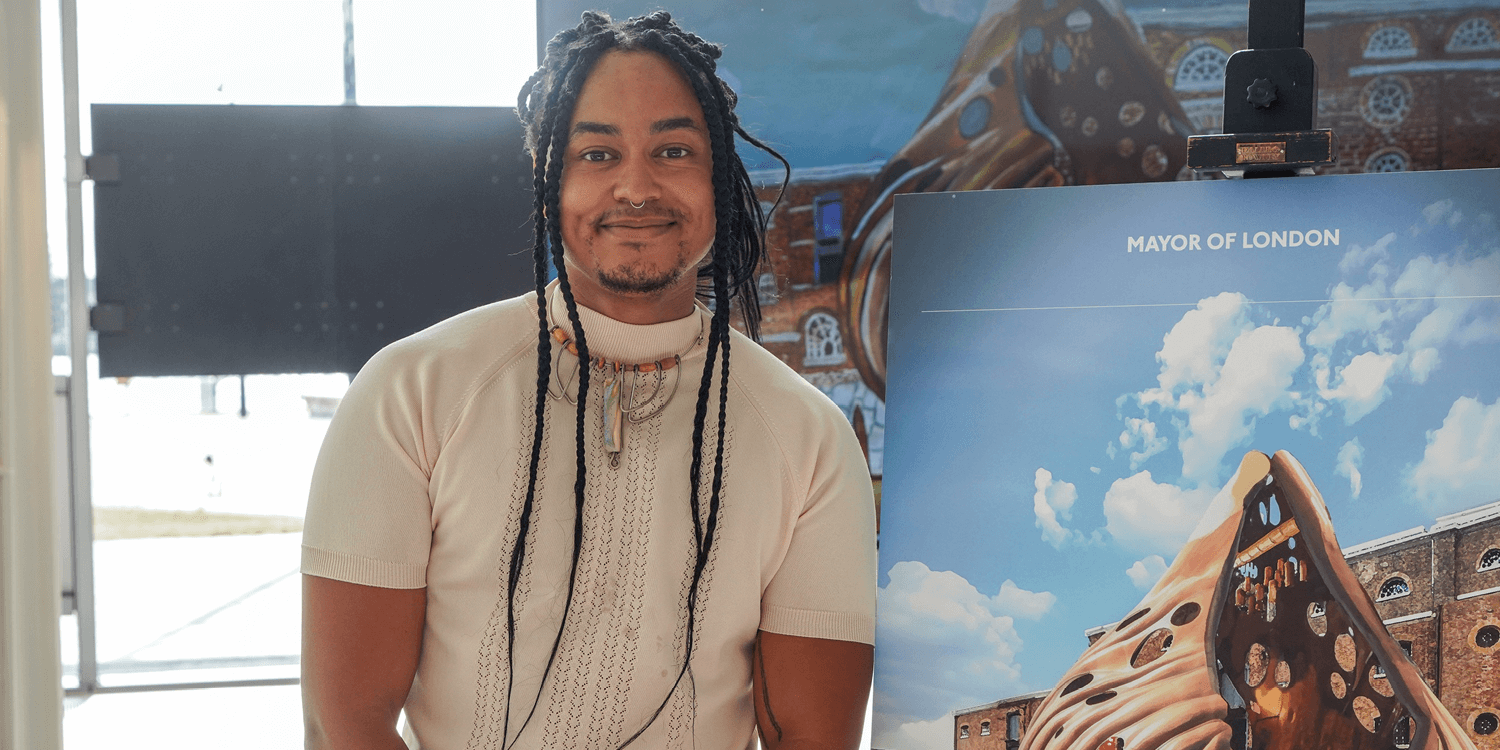 Photo of Khaleb Brooks. Image courtesy of Luke Agbaimoni.
Khaleb's residency is generously supported by the Mayor of London.