An Open Studio and Presentation of Residency Research by Yoma Emore
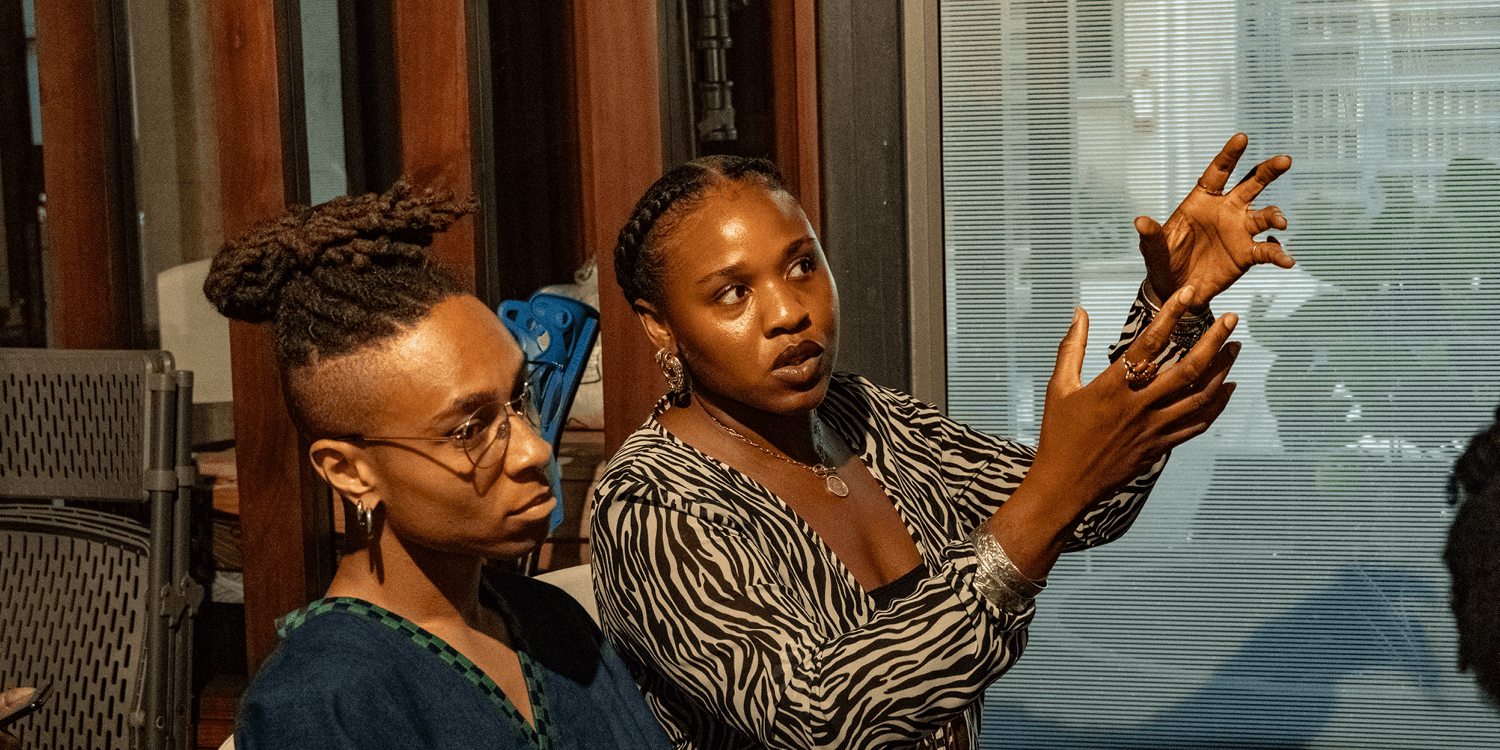
On 5th June 2026, G.A.S. Lagos hosted The Archive is Only the First Sentence, an open studio and presentation of residency research by Yoma Emore. The session introduced the narrative and archival frameworks shaping her practice, alongside her ongoing project The Prince Who Never Was, which examines lineage and the early sixteenth-century Lusophone–Warri encounters in Nigeria.
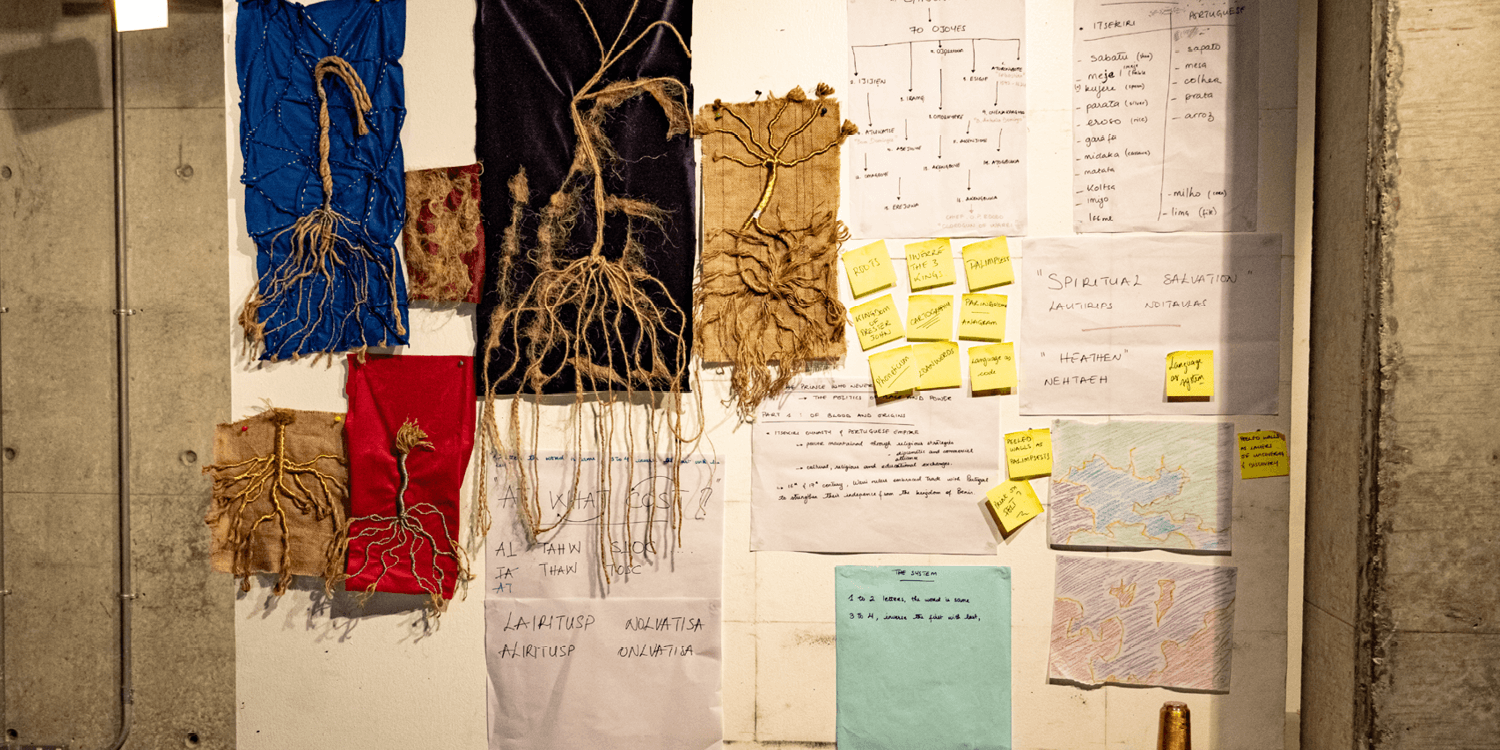
The presentation opened with Yoma outlining her approach to archives and family histories. For her, archives give ordinary objects meaning through their connection to people, events, and memories, but they are never complete. Shaped by omission and perspective, they tell us what was recorded, not necessarily what was felt. It is within these gaps that her work begins. Working with letters, historical documents, photographs, and personal narratives, Yoma uses storytelling and speculation to explore the gaps within archival records. She reflected on a previous body of work, There Was Once a Traveler, inspired by her mother’s penpal letters. The project introduced her interest in handwriting and cartography, with maps becoming a way of tracing memory.
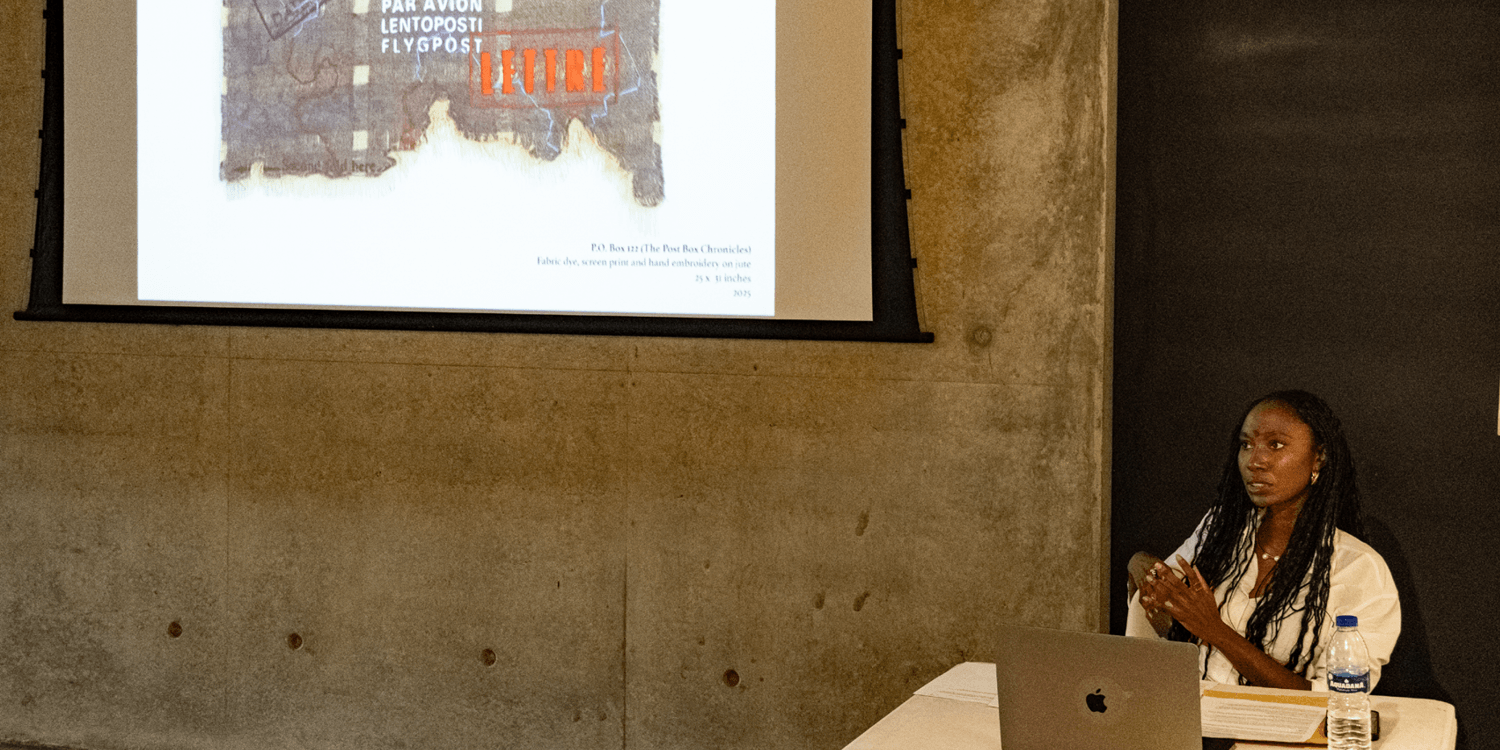
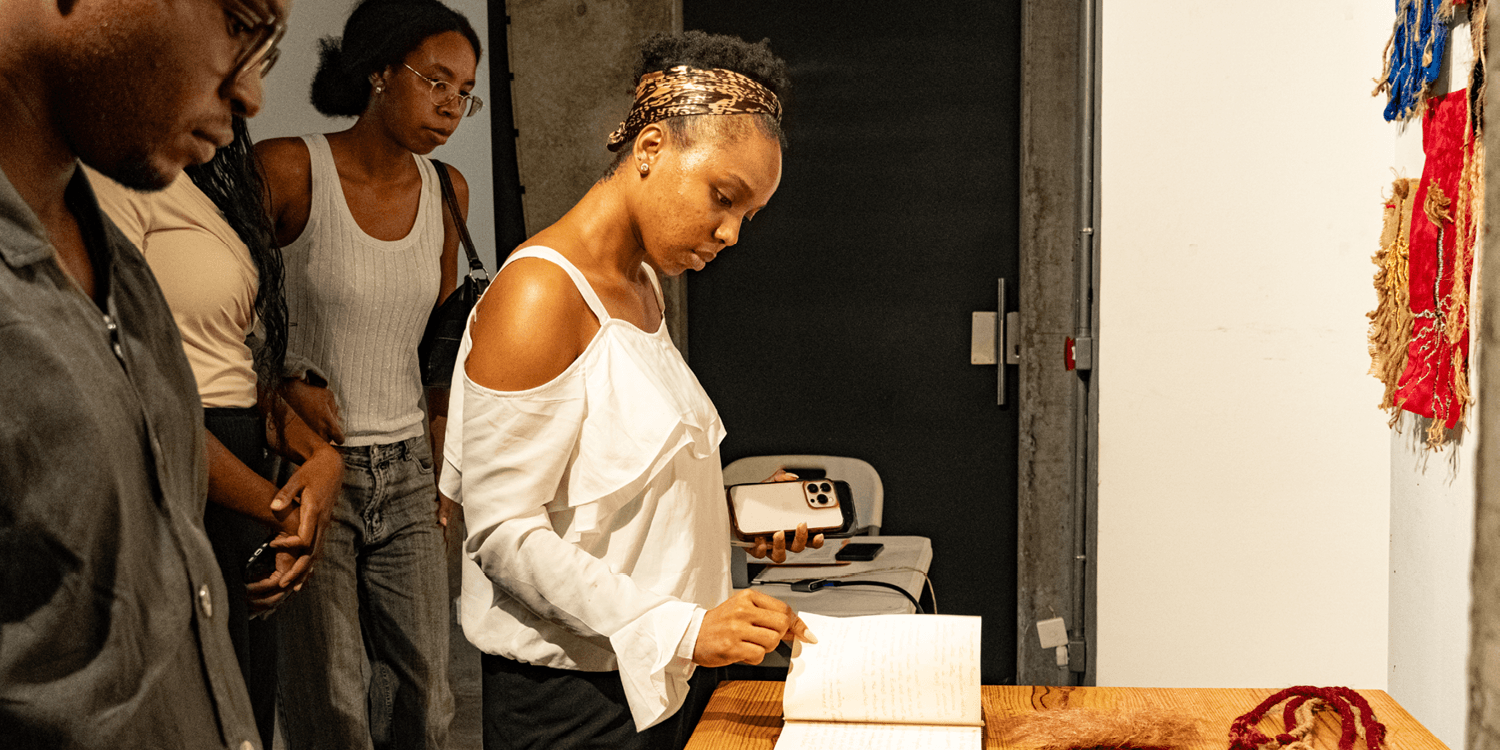
Yoma also shared that her practice is shaped by interconnected bodies of work, with each project leading into the next. This approach informs her ongoing project, The Prince Who Never Was, which began with research into her grandfather, a figure introduced in earlier work. From this starting point, the project expanded into broader histories surrounding the sixteenth Olu of Warri and the relationship between the Warri Kingdom and the Portuguese Empire. Moving from family history into wider historical contexts, the research explores questions of lineage, power, diplomacy, language, and cultural exchange. To support this work, Yoma drew on resources from the G.A.S. Library and Picton Archive, including Peoples and empires of West Africa; West Africa in history, 1000-1800 by George T. Stride and Caroline Ifeka, and Africans in the Making of the Atlantic World, 1400-1800 by John Thornton.
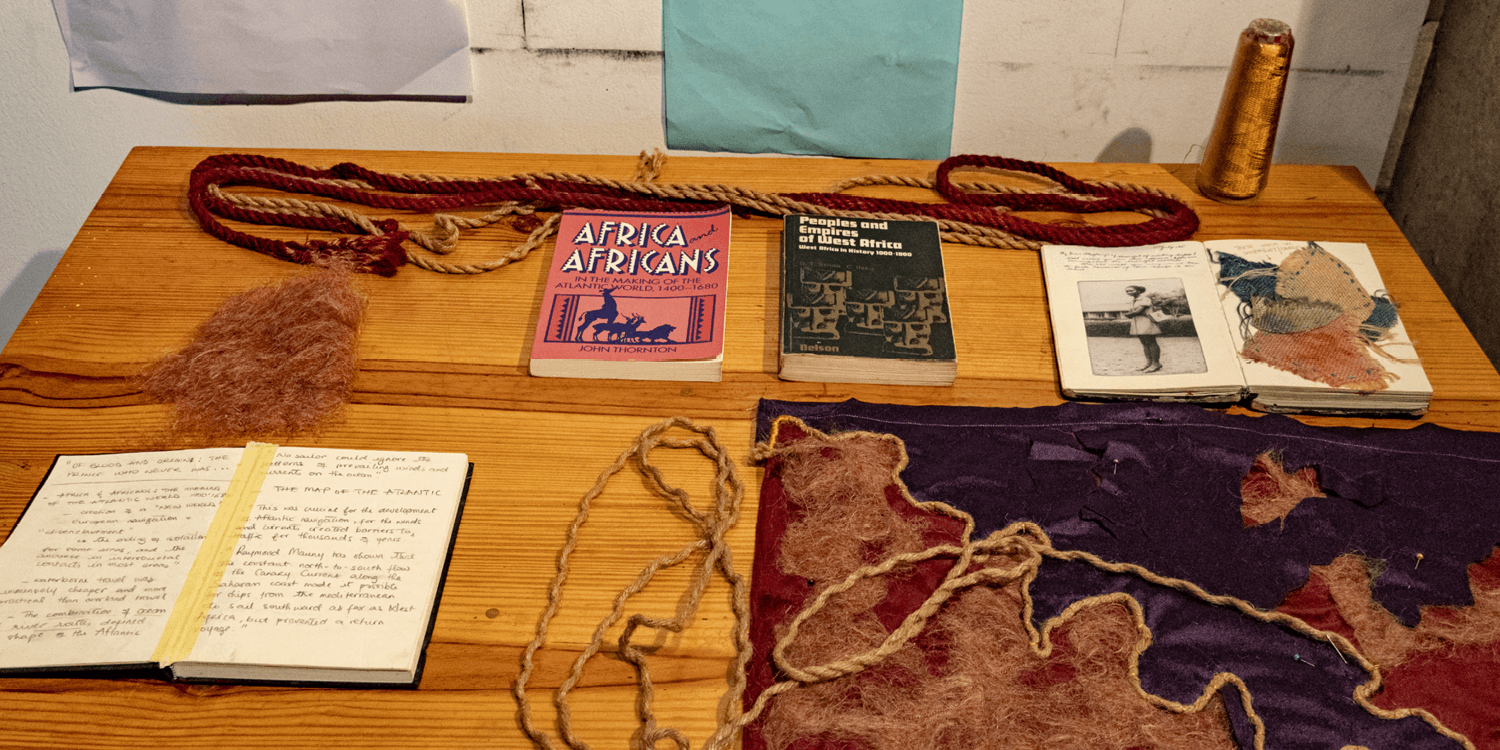
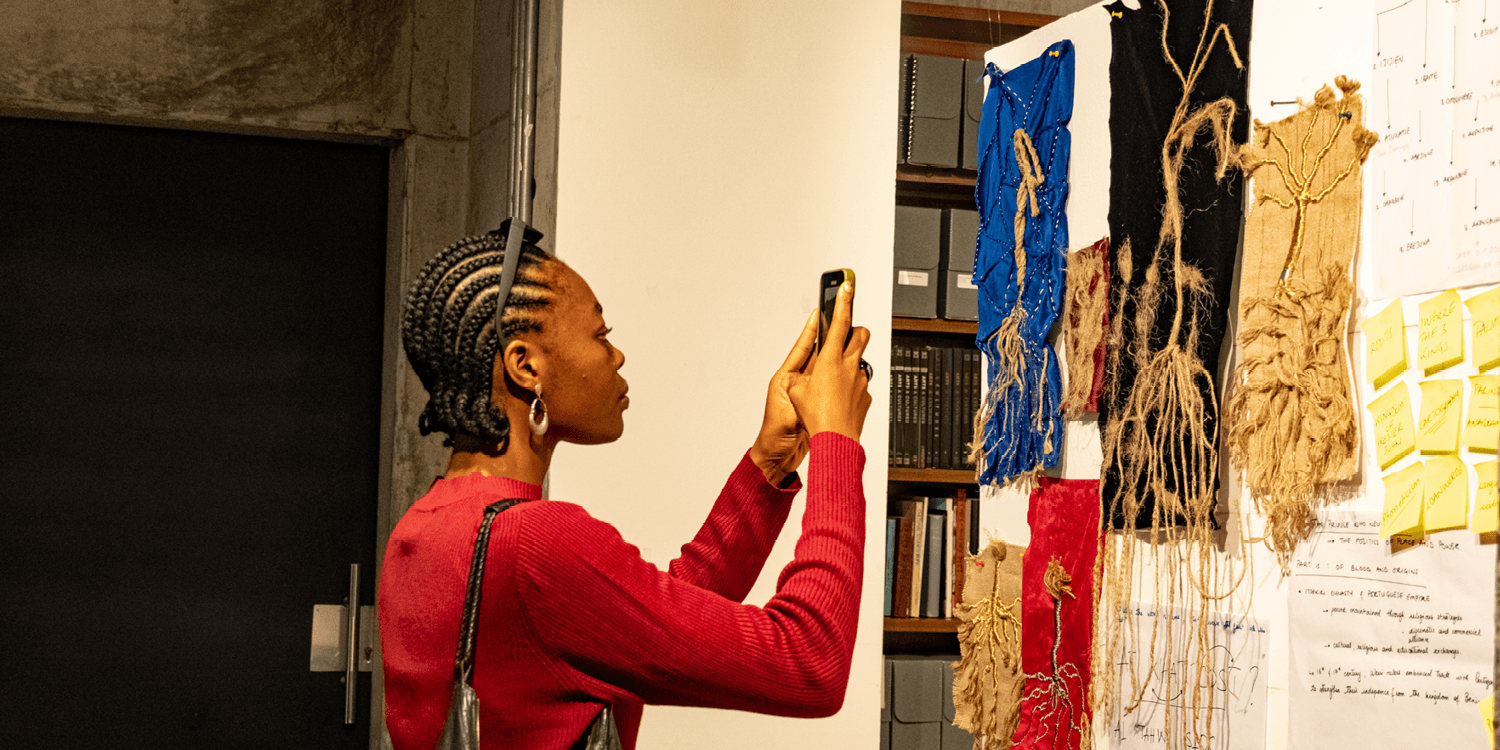
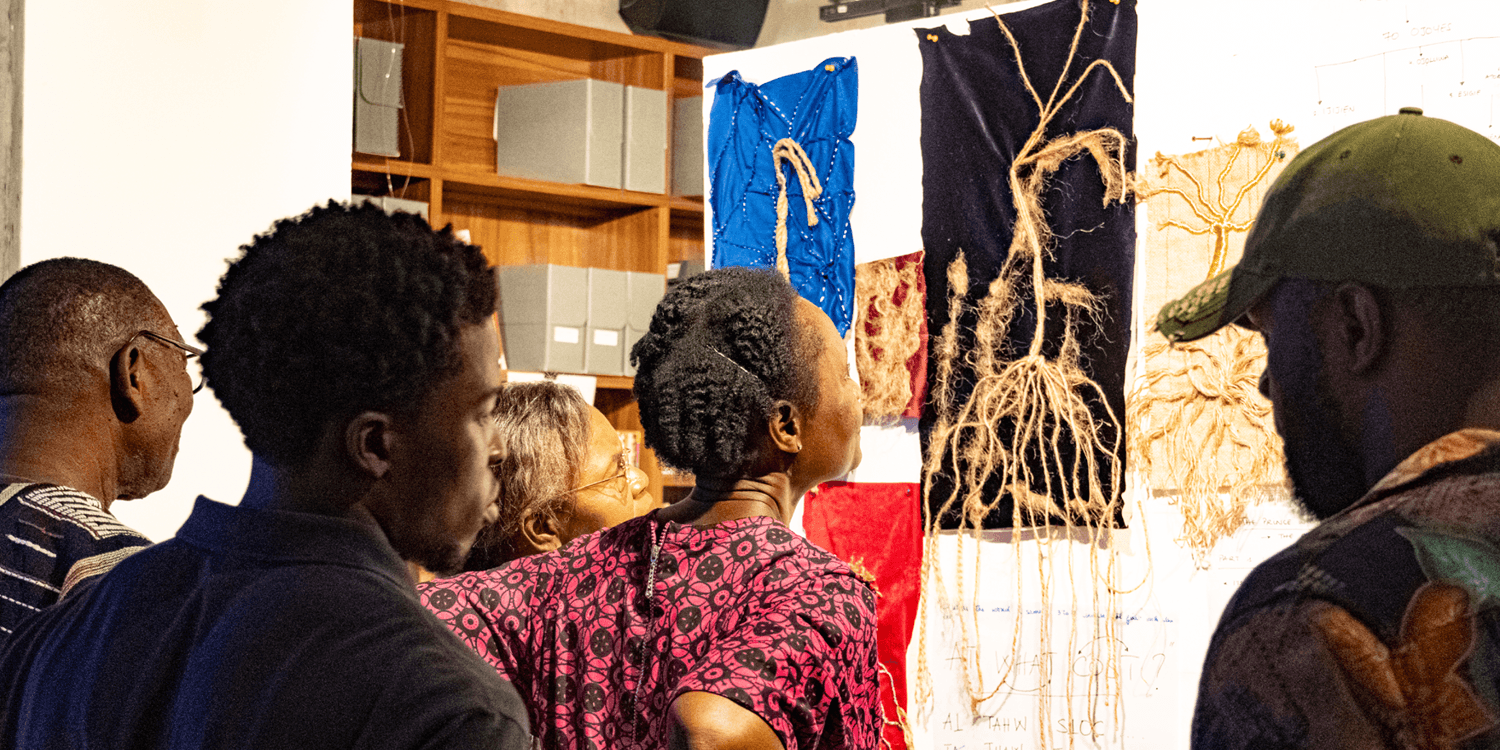
Material exploration also plays an important role in Yoma’s practice. During the residency, she worked primarily with velvet, a fabric historically associated with luxury and trade. Through processes of unravelling and reconstruction, she uses the material as a metaphor for genealogy, exploring how connections to the past can be uncovered and reworked in the present. She also reflected on her interest in the palimpsest, a manuscript that has been erased and written over, yet still bears traces of earlier inscriptions. This idea informed a series of textile experiments combining velvet, jute, stitching, and felted fibres. Another strand of her research focused on language, where she traced phonetic links between Itsekiri and Portuguese as evidence of historical contact, considering how these linguistic traces might later be incorporated into her work through screen printing.
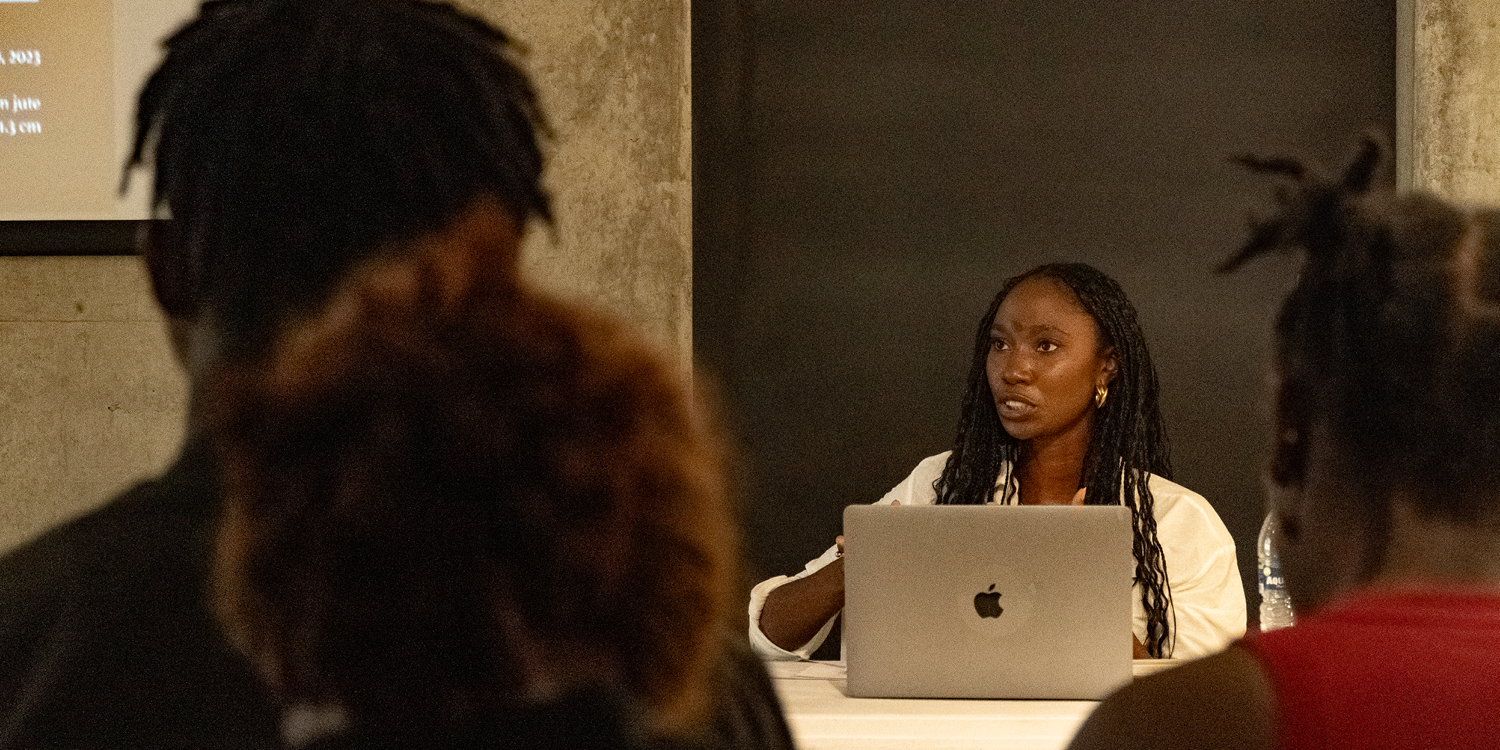
Following this, attendees engaged Yoma in conversation, asking questions about her research next steps and the commercialisation of her work. The session concluded with an open studio, where visitors engaged with research fragments, textile experiments, and process materials.
Event Details
Date: 5th June, 2026
Time: 4:00pm - 6:00pm
Location: 9b, Hakeem Dickson Drive, off T.F. Kuboye Road, Oniru, Lagos
About Yoma Emore
Yoma Emore (b. 1997, Nigeria) is a multidisciplinary artist whose practice explores personal and collective memory, lineage, and material history through research-led textile and material experimentation. With a background in fine art and visual studies, Emore engages with personal and collective histories, often centering familial archives as a means of interrogating the residues of displacement and transnational connection, and using processes such as embroidery, hand-felting, printmaking, and the reworking of waste materials. Across different bodies of work, Emore treats material as a site of continuity and transformation, allowing past narratives to resurface and shift through making. Her work has been exhibited internationally, including recent presentations in Los Angeles, Miami, and Lagos, where she continues to develop bodies of work that blur the boundaries between art, documentation, and speculative geography.
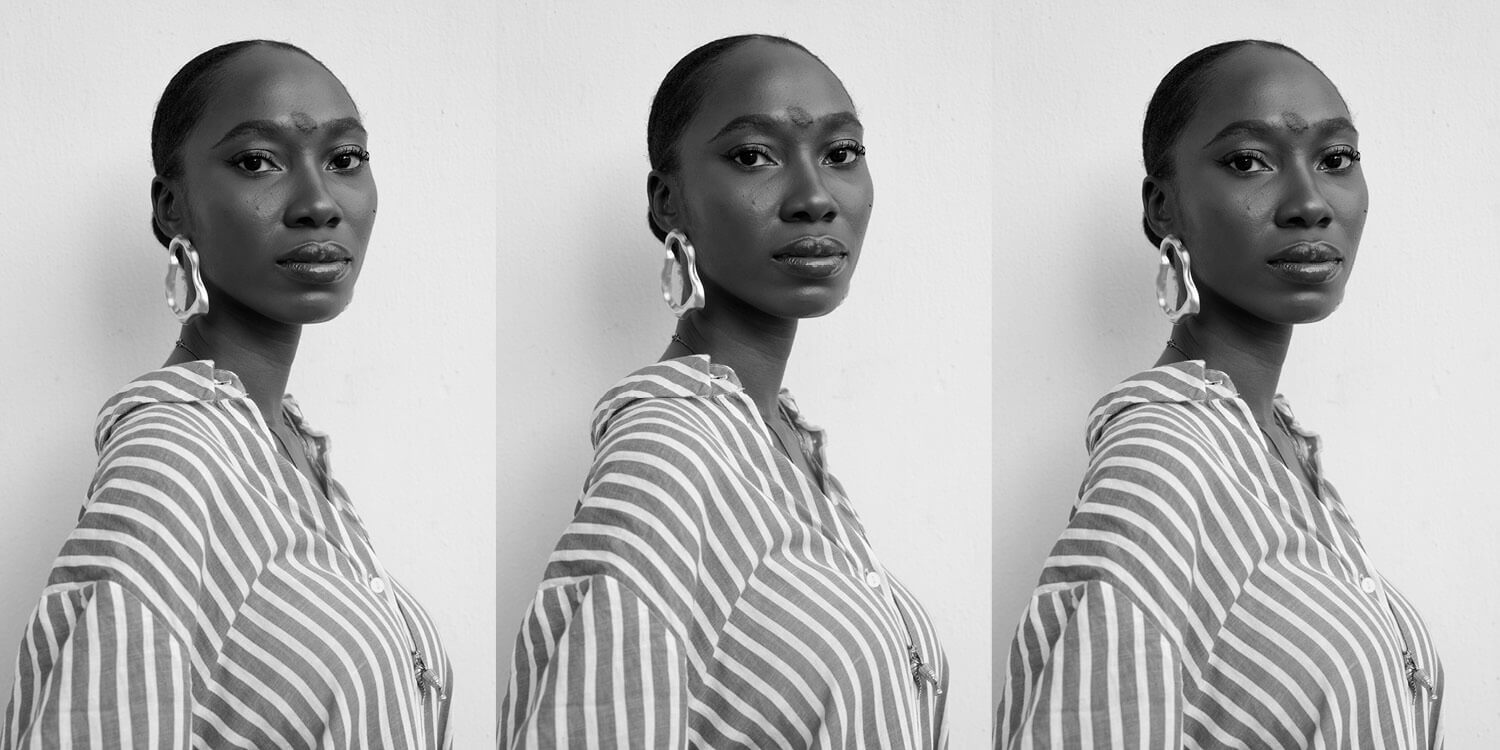 Photo of Yoma Emore. Photo: Jeffrey Okwodu.
Yoma's residency is generously supported by Deutsche Bank.