In December 2025, G.A.S. Foundation, in partnership with the Yinka Shonibare Foundation, launched the fourth edition of the G.A.S. Fellowship Award. This year’s call, the largest to date, included multiple categories for fully funded residencies at G.A.S. Lagos. Residency A was initially designed to support two emerging Nigerian artists, while Residency B was dedicated to one mid-career Nigerian art writer based in Africa or the diaspora.
Following an overwhelmingly strong pool of applications, over 180 submissions, the selection panel expanded the number of awards to reflect the exceptional quality of proposals received, increasing the fellowships to three visual artists and two writers. Applications were reviewed by a panel comprising G.A.S. Executive Director Moni Aisida, Y.S.F. CEO Belinda Holden, G.A.S. Communications and Events Coordinator Catherine Bardi, and Re:assemblages Project Coordinator Samantha Russell.
Today, we are pleased to announce the recipients of the 2026 G.A.S. Fellowship Award: adeoluwa oluwajoba, a mixed-media artist; Jonathan Chambalin, a multidisciplinary artist and art director; and Yoma Emore, a multidisciplinary textile artist, as the visual art fellows; alongside Folasade Ologundudu, an independent writer, curator, and podcast producer, and Olutomi Kassim, an academic researcher and interdisciplinary artist, as the writing fellows.
The visual art fellows will each use their time to develop distinct areas of their practice. adeoluwa will explore Lagos’s public spaces while continuing experiments with cyanotypes on fabric, documenting movement, interaction, and moments of stillness to reflect on how environments shape imagination and daydreaming. Jonathan will engage with local farming communities and markets, translating agricultural cycles into kinetic jute prototypes. Yoma will combine archival research on West African coastal histories and early Portuguese trade networks with textile experimentation to create new works that lay the groundwork for the next phase of her ongoing project. The writing fellows will use the residency to develop and lead a three-day critical writing workshop at G.A.S. Lagos, building on their research and practice to support emerging local writers. Olutomi will focus on scholarly writing for Nigerian art, blending art historical rigour, critical theory, and practical exercises to equip participants with actionable strategies for research and debate. Folasade’s workshop will challenge conventional narratives of art history, inviting participants to create fictional or nonfictional dialogues between Nigerian modernist artists and contemporary practitioners, fostering new ways to analyze, interpret, and write about cultural and artistic histories.
We also congratulate the shortlisted applicants for their outstanding proposals, which made the selection process highly competitive. Shortlisted visual artists included Adetutu Adeniran, Ande Diedjomahor, Blossom Oyeyipo, Chigozie Obi, Goodluck Babatunde, Idris Abdulwahab, Ikeorah Chisom, Marizu Onwu, Olayinka Eno Babalola, Ololade Lawal, Olorubunmi Atere, Oluwatobiloba Fasalejo, Omojadesola Olaniyan, and Tosobuafo Bardi. The shortlisted writers were Dominic Aboi, Chisom Job, and Sepake Angiama.
The G.A.S. Fellowship Award 2026 - Residencies A and B is made possible through the generous support of Deutsche Bank. We look forward to seeing the remarkable contributions these talented individuals will bring to the local creative landscape.
ABOUT THE RECEPIENTS
adeoluwa oluwajoba
adeoluwa oluwajoba is a mixed media artist whose work combines painting, collaging and image transfer processes in creating layered, often disjointed scenes of bodies and landscapes. Exploring techniques of transferring and reproducing images, from the painted object to photographic printmaking, he is interested in building intricate, collaged worlds that examine the nature of images and meaning. Currently, oluwajoba's work focuses on exploring the dynamic and storied relationship between human bodies in their occupation of private and public spaces.
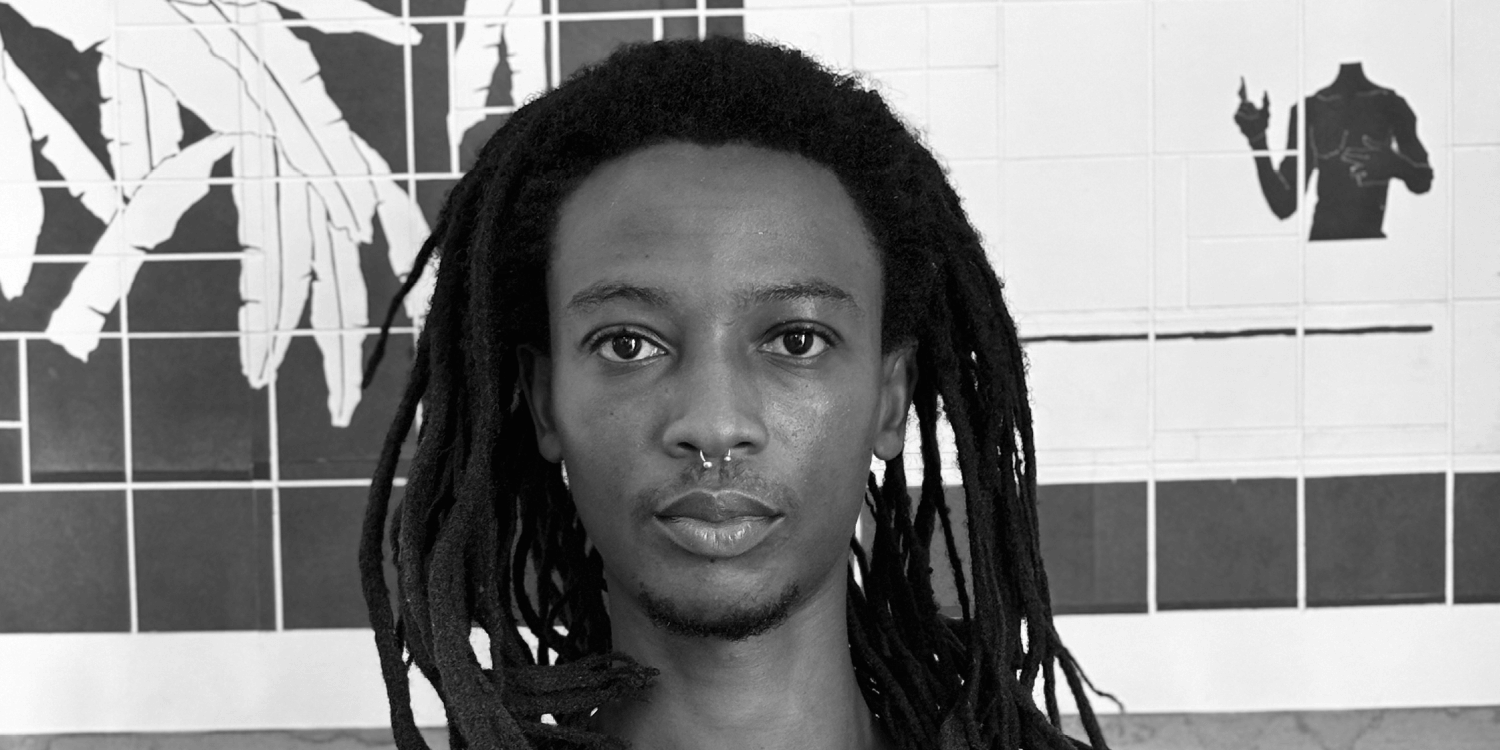 Photo of adeoluwa oluwajoba. Image courtesy of adeoluwa.
Jonathan Chambalin
Jonathan Chinedu Chambalin is a multidisciplinary artist based in Lagos, Nigeria. Born on February 16, 1995, and originally from Imo State, he works across full-scale installation, cinemagraphs, sound art, painting, photography, and kinetic sculpture. He holds a Bachelor of Arts in Performing Arts and Mass Communication from the University of Benin and trained in photogrammetry with the Factum Foundation 2023, contributing to digital preservation work with MOWAA 2025. Chambalin was a grantee and exhibiting artist for the Re Entanglements project with the University of London and the Cambridge Museum and participated in Rele Young Contemporaries in 2020. He has been featured by Elephant Magazine UK, BBC World Service and shown by African Artist Foundation, Art Joburg, Kunst Museum Bonn, & University of Bayreuth. In 2025, he presented his first solo exhibition, Umuneji Flamingo at Adegbola gallery , in Lagos. He is shortlisted for the 2026 Intercontinental Biennale in Panama.
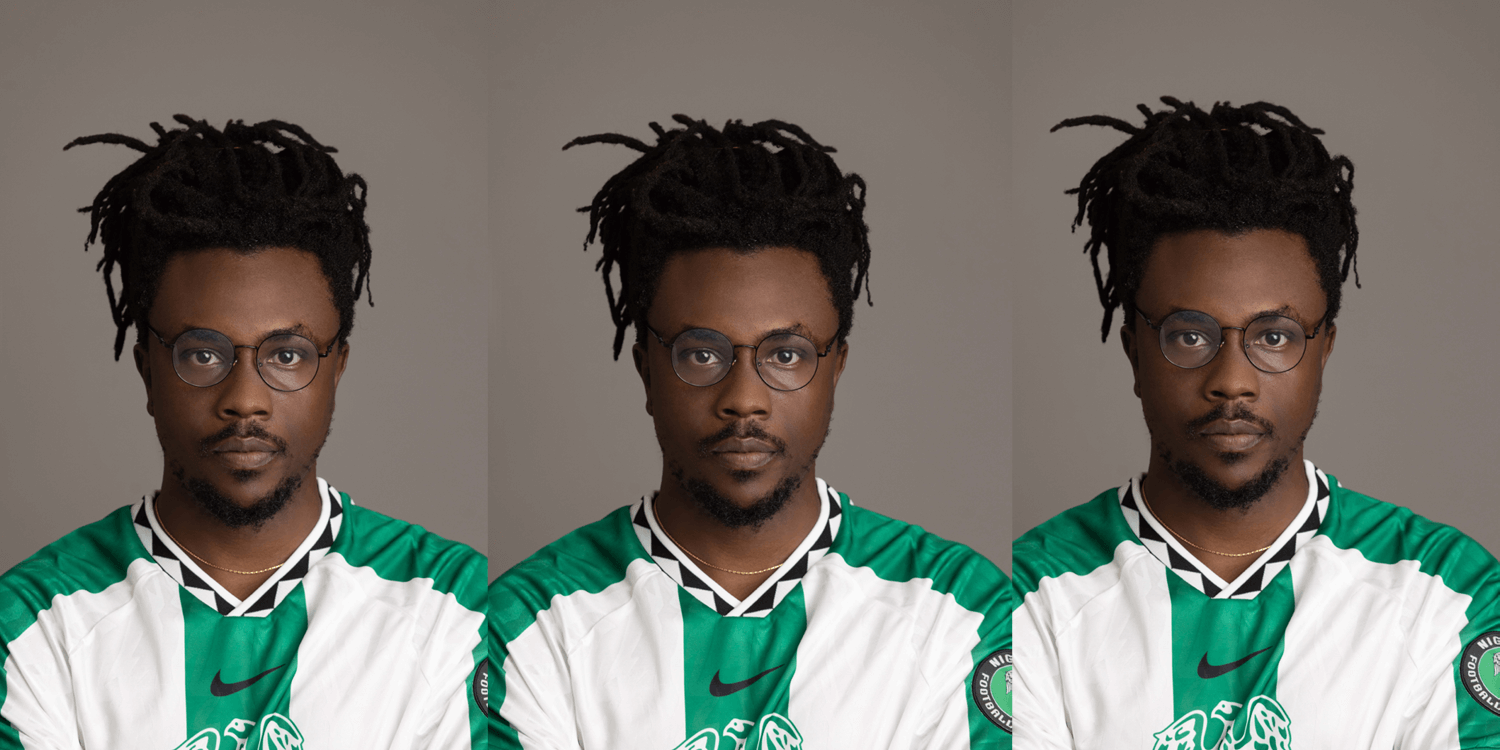 Photo of Jonathan Chambalin. Image courtesy of Timothy Onuchukwu.
Yoma Emore
Yoma Emore (b. 1997, Nigeria) is a multidisciplinary textile artist whose practice engages archival and material research to examine lineage, memory, and transnational exchange. Working across embroidery, hand-felting, printmaking, and repurposed textiles, she approaches fabric as both medium and method; a site through which historical narratives can be excavated, translated, and reconstituted. Drawing from familial photographs, documents, and historical records, Emore interrogates the residues of migration, trade, and cultural entanglement, positioning her works as secondary archives that materialise embodied and speculative histories. She holds degrees from the University of Worcester and Chelsea College of Arts (UAL), and has exhibited internationally in Los Angeles, Miami and Lagos, where she continues to develop projects that blur boundaries between art, archival research and speculative geography.
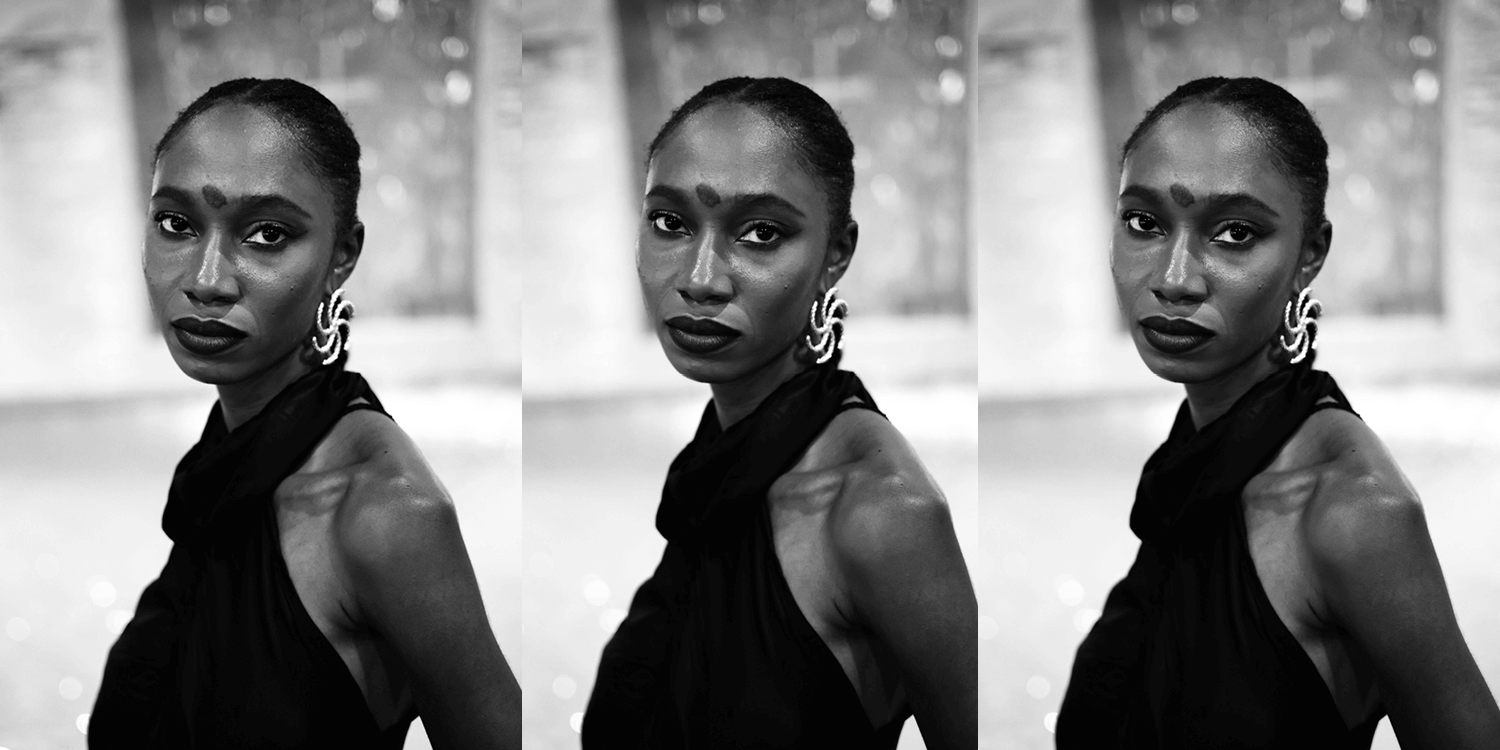 Photo of Yoma Emore. Image courtesy of Yoma.
Folasade Ologundudu
Folasade Ologundudu is an independent writer, curator, and podcast creator whose practice seeks to uncover ideas related to the universal human condition. She has written art criticism, profiles, interviews, and essays for Vogue, Essence, ArtForum, ARTnews, Cultured Magazine, Frieze, among other publications. Ologundudu is also the founder of Light Work, a creative media platform rooted at the intersection of art, education, and culture. Light Work collaborates and partners with artists, curators, academics, and creative contemporaries through engaging conversation on art, and culture, and the state of our society capturing the energy and complexities of the contemporary moment. Through her podcast, Everything Is Connected, she holds conversations with artists, curators, and entrepreneurs deeply rooted in visual arts, and community building. Confronting the challenges our society faces in an increasingly technology-driven, resources-extracting world, Light Work uses the power of conversation and deep storytelling to develop thought-provoking intellectual conversations that spark inspiration.
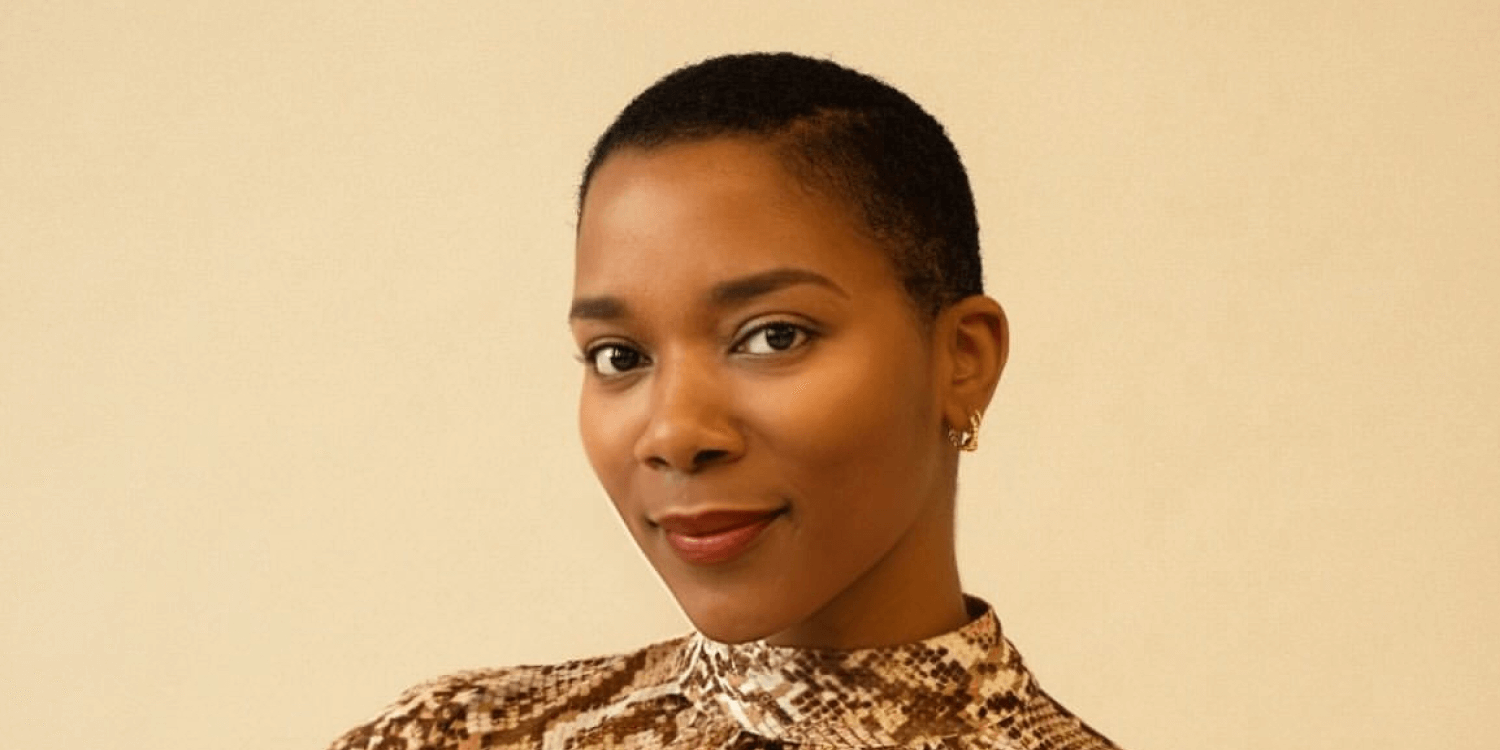 Photo of Folasade Ologundudu. Image courtesy of Folasade.
Olutomi Kassim
Olutomi Kassim is an academic researcher and interdisciplinary artist who has contributed scholarly chapters to a number of academic texts, including the recently published Routledge Handbook for African Theatre Studies (2024). Her current writing focuses on Staging Activism, examining the soft power of cultural ambassadorship as a vehicle for social change in Nigeria. Olutomi's writing practice underpins an interdisciplinary practice-based research project which asks the question: Can soft power interdisciplinary performance art provide a potent tool to confront post-colonial prebendal and 'cultural' practices in Nigeria and stimulate communal reflection, dialogue, and future planning, using the transformative power of storytelling, visual art metaphors and collective memory to spark progressive and democratic conversations on governance and social justice.
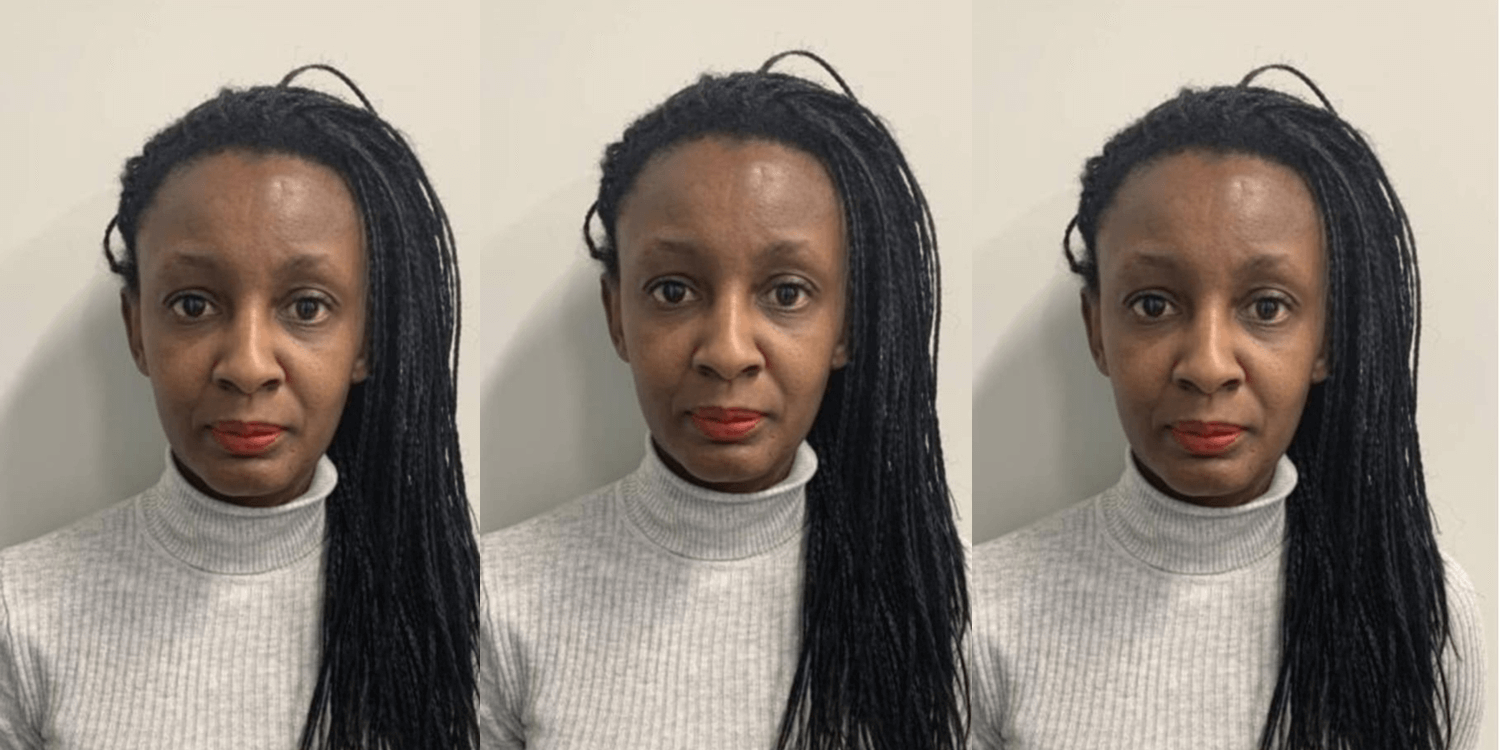 Photo of Olutomi Kassim. Image courtesy of Olutomi.
